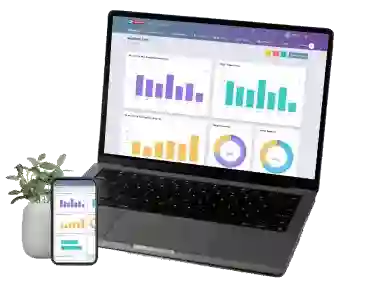

Success in education begins with supporting students, whatever the method. Today’s classrooms evolve through technology - intelligent attendance tools now lead that change. Not just ticking names, they gather insights shaping daily learning patterns. These systems quietly influence teaching flow, refine lesson impact, later improve college-wide outcomes.
Smart Student Attendance Monitoring Systems change classroom dynamics
This piece explores how today’s attendance tools improve classroom productivity. Because colleges adopt them widely, it examines what drives this trend. For educators like you, they simplify daily tasks while strengthening recordkeeping behind the scenes. Their impact stretches directly to students through smoother operations and clearer tracking. One outcome is less time on logistics, more on teaching.
Understanding Smart Student Attendance Monitoring Systems
Start here: what does this actually mean? A Smart Attendance Platform functions like an automated system that tracks when students show up for class. Instead of manual sign-ins, it captures entries in real time while feeding summarized reports straight to teachers and administrators.
Because timing matters, many setups connect directly to college databases - pulling details on enrollment, fees, behavior notes, and daily schedules. These links help keep everything aligned without extra work. Information flows between systems quietly, reducing errors caused by separate tracking methods.
Instead of old paper logs or time-consuming spreadsheets, colleges now use digital tools. These help teachers manage tasks more smoothly. A shift occurs when data enters once, yet serves many purposes. Information flows faster across departments. Staff access updates without delay. Work becomes less repetitive. Accuracy improves with automated entries. Systems adapt as needs change. Efficiency grows behind the scenes. Educators gain time back for core duties
- Instantaneous attendance metrics.
- Automated alerts for student absences.
- Tracking student involvement happens through one central location.
- Perfect precision lives in electronic files.
- Fueled by detailed insights, teaching methods evolve alongside college policies.
Decisions gain clarity when evidence shapes direction. Learning strategies shift where numbers reveal patterns. Behind every change, information guides next steps.
From old-college paper logs to live digital systems, the shift has quietly reshaped how colleges manage tasks - making workflows smoother at every level. A move many barely noticed now underpins faster results and fewer delays in classrooms nationwide.
The Clear Connection of Being There and Doing Well
A teacher who grasps how students show up in class moves beyond paperwork - this insight acts like a pulse check on their learning drive and capacity. Study after study shows that observing presence reveals deeper patterns in how learners connect with material
When students attend class regularly, their grades tend to improve. Those who show up more often usually understand the material better. Missing fewer sessions links closely to higher performance on tests. Routine presence in lectures supports stronger learning outcomes. Achievement climbs when participation stays steady throughout the term.
Showing up consistently cuts dropout chances sharply. Attendance builds momentum that keeps learners engaged over time. When students appear often, they form habits tied to progress. Skipping class weakens connection to coursework slowly. Routine participation links directly to completion rates. Missing sessions increases disengagement risks steadily. Staying present supports follow-through naturally.
When students show up consistently, colleges can act sooner. Spotting patterns early gives educators a chance to help before problems grow. Missing class often links to falling behind later. Acting at the right moment makes support more effective. Success down the road ties closely to how soon assistance begins.
When Student Attendance Monitoring Systems grow smarter, teachers gain clearer insights - updated instantly - to guide learners with better accuracy. These tools sharpen the link between presence and progress by delivering timely information that shapes responsive teaching.
Smart attendance platforms improve college efficiency
1. Reclaiming Teaching Time While Protecting Data
Few realize how much time slips away each day before teaching even begins - names called out, records checked, errors corrected. Relying on hand-written rolls invites delays, sometimes confusion. Mistakes creep in when responses get misheard or misspelled. Someone absent might be marked present by accident.
These small hiccups pile up across weeks. What seems trivial multiplies into hours wasted per classroom yearly. Paper trails offer little clarity during audits. Discrepancies often surface too late to fix. Teachers spend energy managing lists instead of students
- Inadvertent human errors.
- The risk of misplaced or damaged records.
- Significant class time diverted from instruction to roll calls.
Sorting through numbers by hand takes time. Yet effort piles up when every figure must be checked twice. Often, one small mistake changes everything. Even careful work slows down under pressure. Still, accuracy matters most in the end.
Putting in place a machine-run setup shifts things sharply
- A single class period gives back more than ten minutes - space opens up for deeper teaching, real exchanges with learners, or focusing on one student's needs at a time. What was once routine now allows room to breathe, shift, respond without rushing. Moments add up when they are no longer lost to repetition or administrative loops.
- With less manual work each month, staff spend fewer hours gathering attendance data.
- With time, records grow more accurate by design, held to consistent standards across systems, while safeguards prevent unauthorized changes.
This saved time, along with improved precision, allows greater attention toward instruction, helping learners, also planning lessons thoughtfully - instead of handling routine paperwork.
2. Quick insights and early actions for teachers
A key strength of such platforms lies in how quickly they reveal shifts in student attendance. With this setup, awareness grows in real time - offering clear insight almost instantly.
The tool responds as events unfold, so changes do not go unnoticed. Because information updates continuously, tracking becomes less about guessing and more about seeing what is happening right now. As a result, decisions gain accuracy without delay
Right away, messages go out to parents when students miss class. Notifications reach guardians without delay if attendance drops. Whenever a student is absent, their caregiver gets alerted instantly. Missed college triggers automatic updates sent straight to families. Alerts follow each absence, making sure adults are informed quickly.
- If attendance drops or becomes inconsistent, notify instructors right away.
- Unusual patterns in attendance can point to deeper problems worth examining closely.
- Across different courses, attendance data flows into live dashboards guided by the supply department. These displays respond in real time, shaped by user interaction and updated inputs. Clarity emerges through layout choices that adapt without warning. Navigation shifts subtly under changing conditions. Each view adjusts, driven by current participation patterns rather than fixed schedules.
With current information at hand, teachers gain insight that allows timely help - be it academic or social - shaping responses well ahead of small struggles becoming bigger problems.
3. Finding students who need help right away
Noticing students who fall behind becomes easier with a smart check-in setup. This kind of tool quietly highlights those at risk, without extra effort from staff
- Missing class repeatedly becomes a pattern for some students.
- Students whose attendance patterns are showing a noticeable downturn.
- People who often arrive late might show up unpredictably. Their attendance tends to shift without warning, making consistency hard to track.
Early alerts mean instructors can step in with focused help well before problems grow. Because of this timely response, learners stand a better chance of staying on track academically.
Support like this often makes the difference when it comes to earning passing grades. Personalized guidance reaches students just when they need it most. Success becomes more likely under these conditions. For many, that kind of attention shifts their entire trajectory.
4. Smoothing daily classroom routines to support better teaching
Picture starting each class free from usual paperwork hassles. Thanks to automated roll calls, those early disruptions fade away - focus shifts right to teaching instead. Moments add up when time isn’t lost tracking who’s present. Instruction begins faster once systems handle headcounts silently in the background. Learning gains momentum without pause
- Delivering compelling subject matter.
- Fostering active student engagement.
- Directly addressing specific academic hurdles.
A visible record of who is present can quietly shape student behavior, simply by making expectations obvious. When attendance is easy to check, it becomes simpler to maintain order - without constant reminders. This clarity supports responsibility on everyone's part, leading to fewer distractions during lessons. A steady routine around presence often results in smoother daily operations within class time.
5. Informed Strategic Education Planning
Though usually seen as just tracking presence, data from Student Attendance Monitoring Systems can reveal patterns affecting broader college operations. Because of this, leaders gain a clearer picture of daily dynamics across departments.
When trends emerge, they help shape decisions on resource distribution. As time passes, such details highlight strengths and expose hidden challenges. Even small shifts in attendance might signal larger issues needing attention
- Evaluating the effectiveness of various teaching approaches.
- Assessing overall class participation and engagement levels.
- Attendance patterns receive close examination within individual departments.
- Recognizing broader academic trends across the campus.
Built on streams of detailed information, choices within institutions evolve - no longer shaped by guesswork but grounded in clear outcomes, quietly strengthening classrooms via smarter distribution of tools and evolving guidelines.
6. Fostering Transparent Communication Channels
A parent gets updates about a student's presence without needing to ask. Messages travel by text, email, or app alerts - each method keeps information moving. Updates appear right away when a child arrives or leaves college grounds. This flow happens every day, no extra steps required. Awareness stays constant because the process runs on its own
- Immediate messaging services like WhatsApp.
- Direct SMS notifications.
- User-friendly app-based dashboards.
This openness creates stronger trust while drawing parents into a shared role in their child’s learning journey - making conversations about student well-being easier for teachers. A clearer connection forms when families feel involved from the start, reducing barriers over time. Communication flows better once mutual understanding takes root early on.
Teachers find discussions shift toward solutions, not just concerns, under these conditions. When parents see what happens inside classrooms, hesitation fades slowly. Trust grows where information moves freely, without delays or filters. Engagement rises naturally when people feel informed rather than updated.
7. Simplified regulatory compliance and quality checks
Often, colleges must follow rules set by authorities responsible for education standards. These guidelines might cover curriculum choices or teacher qualifications. Compliance usually depends on regular inspections and reviews. Sometimes changes happen after feedback from oversight groups. Requirements can shift when new policies take effect
- Attendance requirements set a baseline number of sessions learners must attend.
- Keeping records of attendance that can be checked and reviewed.
- Fairness shows clearly throughout every step of scholarly work. What happens is open to view across all research methods.
Meeting compliance needs becomes far easier with digital attendance tools. These systems help departments maintain clear, reliable records. Such documentation stands up well during audits or accreditation reviews. Teaching teams spend less time on paperwork as a result.
Records stay organized without constant oversight. The institution benefits from consistent data tracking. Staff effort drops when processes run smoothly.
8. Creating a Connected Digital Learning Environment
One step beyond basic tracking, top-tier Student Attendance Monitoring Systems link directly to broader college attendance software networks. Instead of working alone, these tools connect seamlessly with grade books, scheduling programs, and communication portals. A single update flows across platforms - no double entry, no delays.
Through alignment with student information databases, absences adjust automatically in related records. Even messaging apps pull live data to notify families without manual input. Such coordination reduces errors while saving time for staff. These links turn isolated actions into unified processes. When everything speaks the same language, small tasks support larger goals
- Student Information Systems (SIS).
- Timetable and Scheduling Management tools.
- Library Systems.
- Examination and Grading Modules.
- Financial and Fee Management systems.
This web of connections builds a cohesive digital space, one where records of presence directly shape academic strategies while also simplifying operations such as gathering payments; it quietly assists in managing student conduct too - making daily processes smoother across the board, especially for instructors.
Beyond Attendance Tracking How Decisions Shape Classroom Dynamics
What matters most isn’t just ticking names off a list. These tools give colleges - alongside their educators - deeper benefits that go unnoticed at first glance
Evidence-Based Pedagogical Approaches: Informing your teaching with concrete attendance patterns.
Resource distribution works better when equipment and personnel go where they’re needed most. Where demand is higher, staffing adjusts accordingly. Efficiency grows by matching supply to real-time needs. Locations with fewer challenges receive proportionally less attention. Balance shifts based on current conditions, not fixed plans. Outcomes improve without increasing inputs.
Timetable design now reflects when students are most active. By shifting class times, attendance often improves naturally. When sessions begin later, participation tends to rise. This approach adjusts start hours based on real behavior - not assumptions. Some find mornings difficult; scheduling adapts accordingly. Learning fits better into actual daily rhythms. Patterns of alertness guide planning more than fixed rules do.
Ahead of time, success can be anticipated by examining student information carefully. When patterns show up early, support steps follow naturally. Instead of waiting, educators adjust based on what numbers reveal about learning paths. Insights guide choices before problems grow. Predictions help shape responses that meet needs sooner rather than later.
What matters most shows up every day - attendance, involvement, consistency. When people participate openly, expectations become clear. Responsibility follows naturally when actions reflect shared priorities. Clarity grows where behavior aligns with purpose. Engagement gains meaning through visible commitment. A campus runs on mutual recognition of what counts.
Fueled by consistent tracking, college attendance records gradually shape smarter institutional responses. While often overlooked, these figures quietly support day-to-day educational decisions. Because patterns emerge over time, staff gain insight without relying on guesswork.
When used thoughtfully, the information guides adjustments before problems grow. Over months, what once seemed routine becomes a tool for proactive management. Ultimately, numbers collected each morning ripple through classroom dynamics later.
The Problems With Old college Attendance Tracking
Facing big problems often comes when colleges rely on old ways of tracking who shows up, especially teachers stuck with outdated methods
- Errors show up often when keeping records.
- Significant delays in generating reports and insights.
- Without live tracking, staying on top of operations becomes highly difficult.
- Lacking clear signs at an early stage that show when students begin to drift away. Though timely cues might help, their absence complicates support efforts before deeper issues
- arise. When subtle shifts go unnoticed, responses come too late to matter much.
- Handling routine tasks takes too long. Some duties repeat without variation. Others slow progress through sheer volume of steps involved.
Despite their varied nature, these hurdles often lead to weaker grades, miscommunication on a regular basis, because of poor oversight. Digital tools built for tracking presence tackle such deep-rooted problems right away - offering relief without delay.
What to Think About When Choosing a Better Attendance System
When colleges or educators consider using a system like this, they might explore tools that provide:
Friendly design works smoothly on phones. Built to fit modern touchscreens without effort.
Fingerprints, radio signals, or quick-response squares - each one logs presence differently. How arrival gets recorded shifts with the tool used.
A machine reads body traits just as easily as it grabs digital tags from a distance. Scanning happens through touchless waves, physical contact, or light-based detection. Entry tracking adjusts depending on whether sensors spot badges, hands, or phone displays.
- Robust real-time reporting capabilities.
- Automated parental notification features.
- Secure cloud-based data storage and management.
- Seamless integration potential with existing ERP systems.
Fitted displays showing key details instantly. What stands out is how quickly information becomes clear. Through customization, each view adapts without extra steps. Insight appears right away, shaped by user needs. Clarity emerges not from clutter but from smart design choices.
Firm safeguards guard information access and confidentiality practices.
Achieving long-term success in education often hinges on selecting tools that grow alongside changing needs. One way forward is focusing on systems built to scale smoothly over time. When solutions adapt easily, teaching workflows stay consistent even as demands shift. This kind of flexibility reduces friction years down the line. Lasting digital improvements tend to come not from quick fixes but from thoughtful planning early on.
The Horizon Expanding Skills of Smart Student Attendance Monitoring Systems
Faster machines now shape how we track presence. When learning algorithms improve, so do methods for checking who is where. Though older models relied on manual inputs, newer versions respond to subtle patterns. Because technology evolves constantly, today’s tools adapt without constant oversight. Where once a person had to verify entry, sensors now anticipate movement before it happens. While accuracy climbs, the core idea stays unchanged - knowing who showed up
Predictive attendance analytics powered by AI.
Finding struggling students through automated assessment tools. While systems scan performance data, early warnings emerge. When patterns shift, alerts prompt support steps. Because algorithms detect changes fast, responses can start sooner. Though tech aids insight, teachers still guide next moves.
Facial recognition streamlines attendance tracking through advanced biometrics. Effortless check-ins emerge when systems identify individuals by unique face patterns. Technology shifts how roll calls happen - accuracy rises without manual input. Identification occurs swiftly, minimizing delays across environments. These tools adapt quickly, fitting into varied daily routines.
Unified integration with broader campus access and security systems.
Personalized insights into individual student academic trajectories.
Looking ahead, these tools shift how attendance data is used - no longer just stored, but actively shaping growth within colleges while supporting learners more directly. This change quietly strengthens what you do every day.
Embracing the Future of Educational Efficiency
Fueled by shifting classroom needs, smart roll-call tools now do far more than simplify routines - they’ve become essential. Though once seen as optional aids, these systems steadily evolved into core supports within modern colleges.
Teachers and colleges find these tools essential. Because they streamline classroom tasks. When used well, learning becomes smoother. Their role? Making daily work faster. Without them, progress slows down. Since organization improves, outcomes follow. Through better planning, results rise. If adopted carefully, time gets saved. As workflows simplify, teaching gains clarity. With fewer distractions, focus strengthens
- One major effect: a sharp drop in paperwork demands.
- Few mistakes appear when information is handled carefully.
- Sometimes help arrives just when it matters most - reaching those who need it, quietly making space for progress to begin.
- Underpinning decision-making with verifiable data.
- Open channels grow clearer when effort shapes how words move between people.
- Over time, learning grows stronger across every subject area.
Starting with digital tools shifts how learning unfolds - performance tracking improves while teaching grows clearer, simpler. Because systems connect smoothly, results rise without extra effort stacking up at each level. Work becomes lighter when tasks flow better across classrooms. Success follows where organization strengthens daily routines.