Today’s colleges face rapid changes in enrollment, academics, and daily operations, making it increasingly difficult to manage campus activities efficiently without a robust campus management software.
Smooth procedures, accurate information sharing, prompt updates, and better support for students now define expectations within higher education. Systems built on physical documents, human input tasks, and separated methods frequently lead to lags, errors, gaps in performance. Despite efforts, old practices struggle under modern demands.
Improving campus operations through management software
Starting from the top, today’s colleges often turn to Campus Management Software to tackle operational challenges. Not only does this system combine academic and administrative tasks, but it also shifts them online. One result is smoother workflows, another is unified data access. Because repetitive duties decrease, staff handle fewer routine tasks.
Productivity rises as a consequence. At the same time, decision-makers receive up-to-date reports across units. In effect, campuses begin operating like responsive, organized ecosystems built for what comes next.
Should questions arise about daily operations, technology often plays a role. Efficiency gains appear when routines shift from manual handling to structured digital workflows. One reason colleges adopt these systems lies in their ability to reduce repetitive tasks. Necessity emerges as expectations change over time.
Institutional demands grow quietly, yet steadily. Software solutions respond by aligning processes under unified platforms. Complexity fades without announcement. Clarity follows almost silently.
Understanding Campus Management Software?
A system built for campuses operates entirely through one access point. Where functions like enrollment meet academic tracking, connections form without overlap. Multiple sections exist within - some handle timetables, others oversee staff details. Access spans from test scheduling to dormitory oversight seamlessly.
One piece manages money records while another sends updates across departments. Movement data links with learning progress in quiet coordination. Reports emerge where information streams converge naturally. Operations unify not by design alone but through consistent linkage. Each function runs distinctly yet feeds into shared visibility. Structure remains hidden beneath smooth daily operation.
Instead of separate tools or human-driven steps, one system connects students, teachers, staff, and leaders smoothly. Integration happens without disruption, linking roles that once worked apart. Departments interact through unified workflows, avoiding delays caused by disconnected methods.
A single platform supports tasks across functions, reducing friction between units. Information flows where needed because barriers have been removed quietly behind the scenes.
Key Features Include:
- Online admissions and enrollment
- Student information system
- Fee collection system
- Attendance monitoring
- Transportation management
- Exam scheduling and results processing
- Communication and notifications
- Timetable and academic planning
- Human resources and staff management
- Report generation and analytics
Through automation of processes along with unified information storage, precision improves while operations move faster under clear oversight. From here, trust grows where details matter most.
1. automating everyday admin tasks
What stands out about campus management software is how it handles everyday duties without human input. Often, colleges manage repeated work - examples include signing up students, tracking who is present, gathering payments, handling employee pay, organizing time slots, producing summaries.
Though manual methods persist, automation reduces effort across these areas by streamlining steps that once took much time.
Tasks like registration shift from paper forms to digital entries, reducing errors while increasing speed. Attendance logs become instant records instead of handwritten notes left open to mistakes. Billing procedures gain precision when calculations happen automatically rather than through spreadsheets managed by staff.
Pay distribution follows consistent rules applied system-wide, limiting discrepancies. Scheduling adapts quickly because changes propagate at once, avoiding confusion caused by outdated timetables. Reports form faster since data pulls directly from updated sources instead of relying on compiled files sent days later.
CMS handles every task automatically, so fewer people need to get involved. With less manual input, mistakes happen far less often. Operations run smoother when routine jobs are managed without intervention. The system ensures consistency by removing personal variations. Tasks complete reliably each time they occur.
Automation Changes How Institutions Work
- Speeds up data entry
- Removes reliance on paperwork
- Cuts down operational delays
- Reduces inaccuracies
A team member shifts focus toward priorities demanding greater attention
Take classroom attendance, once a 20- to 30-minute task - now completed in seconds using biometric systems or mobile apps. Because of automation, alerts reach parents and learners without delay.
Few gains come without clearer oversight, yet here efficiency rises alongside sharper accuracy. Responsibility finds firmer ground when results align so closely with effort.
2. Centralized Student Information System
Despite common practice, learner data often spreads across multiple documents, logs, or digital systems within colleges. Accessing such information tends to demand excessive effort due to fragmentation. Retrieval becomes slow when details are split into isolated storage formats.
Campus management software provides a unified student information database, encompassing:
- Personal details
- Academic history
- Attendance records
- Fee status
- Relevant documents
- Exam performance
- Disciplinary records
- Transportation and hostel details
From a structural standpoint, coordination across units becomes more efficient when systems are unified under one framework. Access to up-to-date data is maintained consistently for all involved parties through this integration.
Centralized Data Benefits
- Prompt decision-making
- Real-time access
- Enhanced coordination
- Accurate reporting
- Simplified audits
From one unified platform, teaching staff, budgeting units, administrative divisions, and oversight teams function more cohesively. Efficiency follows as an outcome when operations align through shared infrastructure.
3. Improved communication with updated alerts
With every message shared on campus, clarity matters most. When details about exams arrive without delay, operations continue without disruption. Because payment deadlines affect enrollment, timely notices become unavoidable parts of routine. If attendance warnings reach students early, responses tend to follow. Announcements regarding events shape participation - how they spread defines their impact.
Communication features become part of campus management system through linked modules like:
- SMS alerts
- Email notifications
- Mobile app push notifications
- Portal announcements
- Automated reminders
Impact on Efficiency:
- Keeps students informed
- Maintained by ongoing contact with parents
- Instant sharing of updates becomes possible for teachers
- Eliminates miscommunication
- Facilitates rapid issue resolution
With fewer paper alerts or spoken messages required, effort and materials decline naturally. Efficiency emerges when digital updates take the place of face-to-face follow-ups.
4. Simple fees faster payments
Despite its necessity, gathering payments often demands considerable effort within academic settings. Conventional approaches frequently lead to extended queues, inaccuracies during data input, along with reconciliation delays.
Campus Management Software makes processes easier
- Online payment gateways
- Automatically generated receipts
- Fee due notifications
- Installment payment options
- Secure transaction tracking
- Comprehensive finance reports
Results Include:
- Transparent fee management
- Accelerated payment collection
- Reduced pressure on the finance team
- Enhanced financial planning
Paying fees is possible at any time for parents, whereas tracking occurs smoothly on the admin side. Transaction oversight happens without delay, given the system's continuous updates.
5. Smarter Scheduling Better Classrooms
Through careful support of learners, teachers find value in digital systems that simplify daily tasks. When organized well, Colleges operations allow staff to focus more on instruction than paperwork.
Features for Academic Personnel
- Digital attendance recording
- Online assignment submissions
- Grade entry
- Lesson planning capabilities
- Timetable scheduling
- Tracking student performance
With this tool, teaching time increases while paperwork decreases. One task fades as another grows clearer. Attention shifts where it matters most. Routine tasks take up less space in daily work. Instruction becomes the center, quietly replacing old burdens.
Academic Staff Benefits
- Better classroom management
- Clearer academic schedules
- Swift feedback for students
- Transparent grading practices
By easing demands on staff, learning standards rise. Though effort lessens, outcomes strengthen through structured methods. When resources shift wisely, results improve without added strain. Through careful planning, teaching becomes more effective even as tasks decrease. As responsibilities reduce, performance gains emerge steadily.
6. Reporting and analytics with data tools
Reports shape choices within colleges more than most realize. When assembled by hand, they demand excessive hours - accuracy tends to slip without notice.
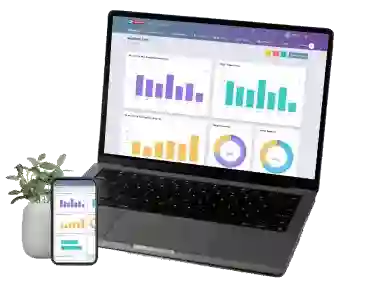
College pro campus management software, instant reports become possible. Through these tools, colleges access up-to-date data whenever needed. Generating insights happens continuously, without delays.
Institutions rely on current information for decision-making. Output appears as soon as inputs are processed. Timely summaries support ongoing operations across departments
- Attendance records
- Fee status reports
- Academic performance analytics
- Transportation usage data
- HR and payroll summaries
- Admission statistics
- Customized analytics
How It Works Better
- Instant access to accurate reports
- Improved resource allocation
- Better strategic planning
- Informed, data-driven decisions
- Increased operational transparency
From oversight comes clarity, shaping choices with greater precision. A broader perspective emerges, guiding judgment through detailed insight.
7. Remote Access with Paperless Admin
Where learning environments connect online, access unfolds beyond classroom walls. Access happens through personal devices, whether held in hand or set upon desks. Those involved in education find entry points across locations, at varied times. Login procedures apply equally to guardians, learners, staff, and oversight roles.
Advantages Include:
- 24/7 accessibility
- Freed from dependence on physical documents
- Enhanced data security
- Environmentally friendly operations
- Quick information sharing
A shift toward digital documentation lowers expenses; it supports environmental responsibility too. With less physical storage needed, operational demands decrease accordingly. Efficiency gains emerge when files move online - resource conservation follows naturally.
Campus Management Software Needed by All Institutions
Far from mere software, campus management system form the core structure within today's academic environments. Through automation, accuracy emerges alongside clarity and faster execution across daily tasks. A unified platform stores learner records while enabling web-based financial transactions. Processes run without manual input due to built-in triggers and scheduling logic. Insights appear instantly thanks to live updates on institutional performance. Efficiency shifts at a systemic level once integration takes hold across departments.